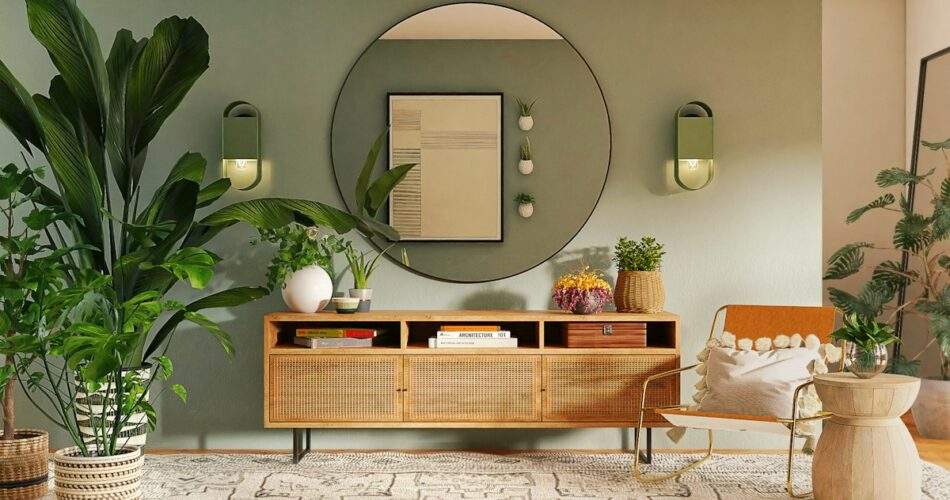
Many people struggle with minimalist design, finding themselves caught between two extremes: spaces so stark they feel like medical facilities, or rooms that claim to be “minimal” but still feel cluttered and overwhelming. If you’ve ever wondered how some homes manage to feel both serene and deeply personal, warm yet uncluttered, the answer likely lies in understanding a fundamental principle that professional designers have been using for decades.
The 90/10 rule of minimalist decor offers a sophisticated solution to this common dilemma. Rather than stripping away everything that makes a space feel like home, this approach strategically balances 90% functional simplicity with 10% high-impact, personal statement pieces. The result? Spaces that breathe with calm efficiency while still reflecting your unique personality and style.
This isn’t just another design trend—it’s a practical framework that transforms how you think about every item in your home. By the end of this guide, you’ll understand exactly how to apply this rule to create spaces that are both beautifully minimal and unmistakably yours.
Understanding the 90/10 Rule
What Makes This Rule Different
The 90/10 rule fundamentally shifts the traditional approach to minimalist design. Instead of focusing on what to remove, it provides a clear framework for what to keep and how much visual weight each element should carry in your space.
The “90%” represents your functional foundation—the essential furniture, storage solutions, and everyday items that make your home work efficiently. These pieces should be simple, high-quality, and largely fade into the background of your daily life. They create the calm, uncluttered backdrop that defines minimalist aesthetics.
The “10%” encompasses your carefully chosen statement pieces—the artwork, unique furniture, personal collections, or architectural elements that inject personality and visual interest into your space. These items carry significant visual weight and become the focal points that make your home distinctly yours.
The Psychology Behind the Balance
This ratio isn’t arbitrary; it’s rooted in how our brains process visual information. Research in environmental psychology shows that spaces with too many focal points create cognitive overload, making us feel stressed and unable to relax. Conversely, environments with no visual interest can feel sterile and emotionally disconnected.
The 90/10 balance hits the sweet spot where your mind can easily process and appreciate the space. The majority of elements remain visually quiet, allowing your attention to naturally gravitate toward the carefully selected statement pieces. This creates what designers call “visual hierarchy”—a clear sense of what’s important and what supports the overall composition.
The 90%: Building Your Functional Foundation
Essential Furniture Pieces
Your functional foundation begins with selecting furniture that prioritizes utility and longevity over trendy appeal. Every piece should serve a clear purpose, ideally multiple purposes, while maintaining clean lines and neutral aesthetics.
Start with the basics: a quality sofa in a neutral fabric, a sturdy dining table, essential storage pieces, and a comfortable bed with simple bedding. These items should feel almost invisible in their seamlessness—present when you need them, but never demanding attention or disrupting the overall calm of the space.
The key is investing in pieces you’ll use daily and choosing designs that won’t feel dated in five years. Think classic proportions, natural materials, and colors that work across seasons and style evolutions. This foundation should feel like the architectural bones of your room—strong, reliable, and endlessly adaptable.
Color Palette and Materials
Your 90% foundation thrives on a restrained color palette, typically built around whites, grays, beiges, and other neutral tones. This doesn’t mean your space has to feel cold or clinical—warm whites, soft grays, and natural beiges can create incredibly inviting environments.
Material consistency plays a crucial role in maintaining visual calm. Choose two to three primary materials and use them throughout your space. Natural wood, linen, steel, or stone work beautifully when used consistently. This repetition creates visual cohesion and prevents the scattered feeling that comes from mixing too many different textures and finishes.
The neutral palette also provides the perfect backdrop for your 10% statement pieces to truly shine. When the majority of your space maintains visual quiet, even subtle pops of color or texture become dramatically more impactful.
Storage Solutions That Disappear
Effective minimalist design requires thoughtful storage, but these solutions should integrate seamlessly into your space rather than announce their presence. Built-in cabinets, furniture with hidden compartments, and sleek storage systems allow you to maintain the clean lines essential to minimalist aesthetics.
Consider furniture that multitasks: ottomans with internal storage, bed frames with built-in drawers, or dining tables with hidden leaf storage. These pieces serve double duty without adding visual complexity to your rooms.
The goal is to house all your necessary belongings while maintaining surfaces that feel clean and uncluttered. When storage becomes invisible, your space naturally feels more spacious and serene.
The 10%: Choosing Your Statement Pieces
Art and Wall Decor
Your statement pieces carry the enormous responsibility of injecting personality and visual interest into an otherwise quiet space. This makes the selection process both exciting and critical—every piece needs to work exceptionally hard to justify its presence.
Wall art often forms the backbone of the 10%, and the key is choosing pieces with significant visual impact or deep personal meaning. A large-scale photograph, a vibrant painting, or a sculptural wall installation can instantly transform a neutral room. The size and placement matter enormously—one substantial piece often works better than several smaller ones.
Consider the emotional response you want your space to evoke. Abstract art might create a sense of energy and movement, while landscape photography could bring in calm and contemplation. Personal artwork, family photographs, or pieces from meaningful travels add the irreplaceable element of personal narrative.
Accent Furniture and Lighting
Statement furniture pieces serve as functional sculptures within your space. These might include a vintage mid-century chair, a uniquely shaped coffee table, an architectural floor lamp, or a distinctive bookshelf. Each piece should feel intentional and special—something you’d notice and appreciate even in a completely different context.
Lighting deserves special consideration within your 10% because it serves both functional and aesthetic purposes. A dramatic pendant light, an sculptural floor lamp, or unique table lamps can completely transform the atmosphere of a room while providing necessary illumination.
The key with statement furniture is restraint and intentionality. Each piece should feel like it belongs specifically in your space and contributes to the overall story you’re telling about your lifestyle and preferences.
Personal Collections and Accessories
Personal collections require careful curation within the 90/10 framework. Rather than displaying everything you own, select the most meaningful or visually striking pieces and give them proper space to be appreciated.
Group similar items together for greater impact—a collection of three ceramics will have more visual weight than the same pieces scattered throughout different rooms. Use negative space generously around your collections, allowing each piece to breathe and be properly seen.
Books, plants, and meaningful objects can all serve as statement pieces when thoughtfully arranged. The key is treating these items as you would any other design element, considering their visual weight, color, and contribution to the overall composition.
Room-by-Room Application
Living Room Implementation
In your living room, the 90% foundation typically includes your main seating, coffee table, media storage, and window treatments. Choose a comfortable sofa in neutral upholstery, a simple coffee table that doesn’t compete for attention, and storage that conceals electronics and daily necessities.
Your 10% might include a bold piece of artwork above the sofa, a unique accent chair, an architectural floor lamp, or a carefully curated bookshelf display. These elements should create visual interest without overwhelming the calm foundation you’ve established.
Consider the sight lines and flow of your living space. Your statement pieces should enhance the natural focal points and conversation areas rather than compete with them or disrupt the room’s functionality.
Bedroom Essentials
Bedrooms particularly benefit from the 90/10 approach because they need to feel restful and serene. Your foundation includes the bed frame, mattress, simple bedding, essential storage, and basic lighting. Keep colors soft and materials natural for the most calming effect.
Statement pieces in bedrooms work best when they contribute to the restful atmosphere. This might be a piece of calming artwork, a beautiful throw blanket with interesting texture, a vintage nightstand, or unique lighting that creates a warm, intimate atmosphere.
Avoid cluttered nightstands and excessive decorative pillows, which can make even spacious bedrooms feel chaotic. Instead, let one or two carefully chosen elements create personality within the serene foundation.
Kitchen and Dining Areas
Kitchens and dining areas present unique challenges because they require significant functionality while maintaining minimalist aesthetics. Your 90% includes essential appliances, cookware, dishes, and storage solutions that keep countertops clear and organized.
Focus on quality over quantity—better to have fewer, higher-quality pots and pans that you use regularly than cabinets full of specialized items. Choose consistent materials and colors for your functional items to maintain visual cohesion.
Your 10% might include a distinctive dining table, unique light fixtures, a carefully curated display of beautiful dishware, or a single piece of art that complements the space without competing with the functionality.
Common Mistakes and How to Avoid Them
Going Too Stark
One of the most frequent mistakes people make when implementing the 90/10 rule is creating spaces that feel cold and unwelcoming. This usually happens when the 90% foundation lacks warmth in materials, textures, or lighting.
Combat this by incorporating natural materials like wood, stone, or linen into your foundational pieces. Warm lighting, whether from natural sources or carefully chosen fixtures, makes an enormous difference in how inviting a space feels. The goal is serene, not sterile.
Remember that minimalism doesn’t mean absence of comfort. Your spaces should invite relaxation and use, not feel like museum displays that can’t be touched or lived in.
Misunderstanding What Counts as the 10%
Another common error involves misunderstanding which items should be considered part of the statement 10%. Small decorative objects, while personal and meaningful, may not carry enough visual weight to justify their presence in a minimalist space.
Focus on pieces that create significant visual impact or serve as true focal points in your rooms. A collection of small items grouped together might collectively function as a statement piece, but scattered individual objects usually just create visual noise.
Consider the viewing distance and visual weight of potential statement pieces. Items that disappear from across the room may not be working hard enough to earn their place in your carefully curated 10%.
Ignoring Personal Style
The most successful implementation of the 90/10 rule reflects your authentic personal style rather than copying minimalist aesthetics from magazines or social media. Your statement pieces should tell your story and reflect your genuine interests and experiences.
Don’t choose art or furniture simply because it looks “minimalist”—choose pieces that speak to you personally while fitting within the visual framework of the rule. The most beautiful minimalist spaces feel deeply personal despite their restraint.
Consider how your lifestyle and daily routines should influence both your functional foundation and your statement pieces. A space that looks beautiful but doesn’t support how you actually live will never feel truly successful.
Implementing the Rule in Your Space
Step-by-Step Process
Begin implementation by auditing your current space and categorizing every item as either foundational or decorative. Remove everything that doesn’t serve a clear function or hold significant meaning for you. This initial editing creates the clean slate necessary for proper implementation.
Next, focus on establishing your 90% foundation with quality basic pieces. This might require some investment, but these items should last for years and provide the backdrop for all your future design decisions. Choose wisely and buy once rather than upgrading repeatedly.
Finally, carefully select your statement pieces, keeping the overall balance in mind. If you’re unsure about a particular item, live without it for a while. Often, you’ll discover that your space feels complete with fewer pieces than you initially thought necessary.
Measuring Visual Weight
Understanding visual weight helps you maintain proper balance within the 90/10 framework. Large pieces, bright colors, complex patterns, and shiny surfaces all carry more visual weight than small, neutral, simple, or matte items.
A single large piece of art might constitute your entire 10% for a room, while several smaller statement pieces might work together to create the same visual impact. Consider the cumulative effect of all your choices rather than counting individual items.
Trust your instincts about whether a space feels balanced. If something feels “off,” it usually means the proportion of statement pieces to foundational elements has shifted beyond the effective range of the 90/10 rule.
Gradual Implementation
Don’t attempt to transform your entire home overnight. The 90/10 rule works best when implemented gradually, allowing you to live with changes and understand how they affect your daily experience of the space.
Start with one room and perfect the balance before moving to the next area. This approach prevents decision fatigue and allows you to develop confidence in your ability to apply the rule effectively.
Consider seasonal adjustments to your statement pieces. Changing art, textiles, or accessories can refresh your space without disrupting the fundamental balance or requiring major purchases.
Creating Your Balanced, Beautiful Home
The 90/10 rule of minimalist decor offers a practical path to creating spaces that feel both serene and personal. By thoughtfully balancing functional simplicity with carefully chosen statement pieces, you can achieve the sophisticated calm that defines the best minimalist interiors while ensuring your home reflects your unique story and style.
Remember that this rule serves as a guideline rather than a rigid formula. Some rooms might benefit from a slightly different ratio based on their function and your lifestyle needs. The key is understanding the principle behind the balance and adapting it thoughtfully to your specific circumstances.
Start small, trust your instincts, and give yourself time to develop confidence in applying these principles. As you become more comfortable with the 90/10 framework, you’ll find that making design decisions becomes easier and more intuitive, always guided by the clear structure this rule provides.
The most successful minimalist spaces aren’t about having less for the sake of less—they’re about having exactly what you need and love, perfectly balanced and beautifully arranged. The 90/10 rule gives you the framework to achieve that balance, creating a home that truly supports and reflects your best life.